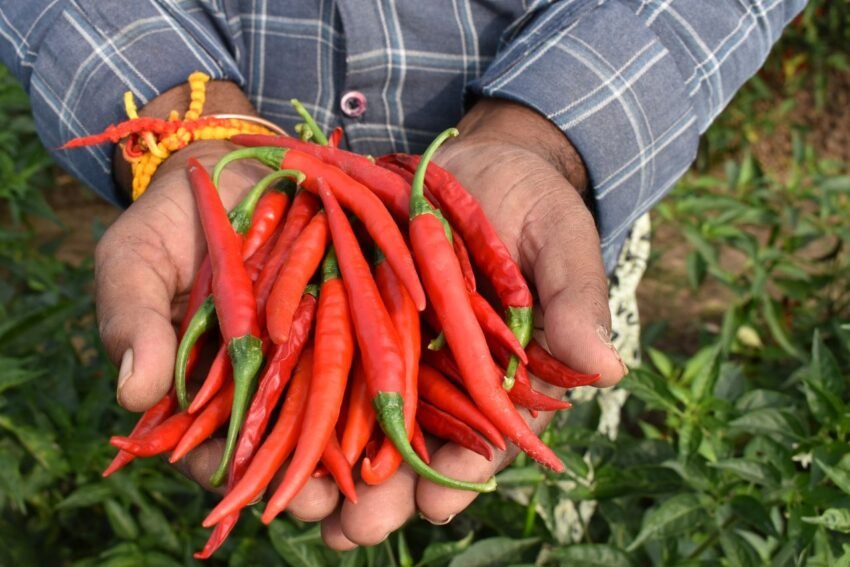
It is difficult to imagine Indian curry without fiery red chilies, Sichuan food without numbing heat, Thai cuisine without bird’s eye chilies, or Hungarian paprikash without ground pepper. Yet prior to the late 15th century, not a single chili pepper existed anywhere outside the Americas.
Indigenous peoples of Mesoamerica and South America had cultivated species of the genus Capsicum for over 6,000 years. Following the Columbian Exchange, the humble nightshade fruit achieved one of the fastest and most complete global botanical conquests in human history, permanently transforming global food culture within a couple of centuries.
The Spark of Global Diffusion
When Christopher Columbus encountered chili peppers in the Caribbean in 1492, he mistakenly labeled them “pepper” due to their pungent heat, confusing them with the costly black peppercorns (Piper nigrum) imported from Asia.
Portuguese and Spanish maritime traders quickly realized the crop’s immense commercial value. Unlike rare black pepper vines that required specific tropical climates and years to mature, chili peppers grew rapidly in almost any warm soil, produced heavy yields, and could be easily dried and transported as seeds.
Why the World Adopted Chilies So Quickly
The astonishing speed with which diverse cultures adopted chili peppers can be attributed to several practical, nutritional, and biochemical factors:
-
Agricultural Accessibility: Chilies thrive in varied soils and backyard gardens, allowing peasant farmers to grow their own heat source rather than buying expensive imported spices.
-
Food Preservation: Before refrigeration, capsaicin’s natural antimicrobial properties helped preserve meat and prevent foodborne pathogens in warm climates.
-
Nutritional Value: Chili peppers are rich in vitamins A, C, and E. In nutrient-sparse diets built around basic starches like rice, maize, or cassava, chilies provided essential micronutrients and made plain food palatable.
-
The Endorphin Response: Capsaicin binds to TRPV1 pain receptors on the tongue, tricking the brain into perceiving heat. In response, the brain releases endorphins and dopamine, creating a mild sensation of pleasure and euphoria.
Regional Transformations: How Chilies Defined National Cuisines
Different cultures embraced specific cultivars, giving rise to iconic culinary traditions:
| Region / Country | Primary Cultivar Adopted | Signature Culinary Uses | Cultural Impact |
| India | Capsicum annuum (Guntur, Byadgi) & C. chinense | Curries, sambars, chutneys, and pickles. | Replaced or augmented native black pepper and long pepper, becoming an indispensable regional staple. |
| China (Sichuan & Hunan) | Facing-heaven pepper, Erjingtiao | Combined with Sichuan peppercorns to create Málà (numbing-spicy) hotpots and stir-fries. | Transformed inland regional cuisines into famous hot and pungent styles. |
| Hungary & Balkans | Sweet and hot varieties of Capsicum annuum | Dried and ground into Paprika for stews like Goulash. | Became the national spice and a symbol of Hungarian culinary identity. |
| Southeast Asia (Thailand/Vietnam) | Bird’s eye chili (Capsicum frutescens) | Nam phrik paste, curry pastes, and fresh salads. | Intertwined with lemongrass, galangal, and fish sauce to balance sweet, sour, salty, and hot flavors. |
A Story of Global Culinary Integration
The journey of the chili pepper illustrates how global trade networks reshaped world culture. A plant native to the tropical Americas migrated across continents to become the defining flavor profile of cuisines thousands of miles away. Today, whether in an Indian vindaloo, a Mexican mole, or a Thai green curry, the chili pepper remains a powerful symbol of our shared human food heritage.