Long before modern refrigeration or pasteurization existed, human civilization stumbled upon a brilliant biological transformation: converting highly perishable liquid milk into nutrient-dense, shelf-stable solid food. That discovery was cheese.
Yet, what makes cheese one of humanity’s most fascinating culinary achievements is its sheer diversity. From the sharp, crystalline crumble of English Cheddar to the pungent, creamy interior of French Roquefort or the subterranean-aged wheels of Italian Parmigiano-Reggiano, cheese is a living record of local geography, pasture ecology, and microclimate chemistry.
The Accidental Discovery and Ancient Origins
Archaeological evidence indicates that cheesemaking began during the Neolithic revolution, around 8000 to 6000 BCE, coinciding with the domestication of sheep, goats, and cattle in the Fertile Crescent.
Legend attributes the invention to a nomadic merchant carrying milk in a pouch made from a ruminant animal’s stomach. As the merchant journeyed across hot desert terrain, the naturally occurring enzyme rennet (chymosin) in the stomach lining, combined with warm temperatures and gentle motion, separated the milk into liquid whey and firm curds.
-
Lactose Digestibility: Early agricultural communities were predominantly lactose intolerant. Fermenting milk into cheese consumed most of the liquid whey containing lactose, yielding a digestible, protein-rich staple that sustained human populations through lean winters.
-
Salt as a Preservative: Salting curds slowed spoilage, drew out excess moisture, and created an inhospitable environment for pathogenic bacteria while favoring beneficial microbes.
Terroir and Microbial Ecosystems
The concept of terroir—the unique environmental conditions (soil type, local climate, pasture herbs, and altitude) that shape a food product—finds its ultimate expression in artisan cheese:
-
Pasture Dynamics: Cows, sheep, or goats grazing on wild alpine wildflowers and clover consume different fatty acids and aromatic compounds than animals fed indoor grain diets, directly altering the color, aroma, and fat structure of the milk.
-
Lactic Acid Bacteria (LAB): Wild strains of Lactococcus, Lactobacillus, and Streptococcus convert milk sugars (lactose) into lactic acid, lowering pH and establishing foundational flavor notes.
-
Molds and Yeasts: Microorganisms dictate texture and rind development:
-
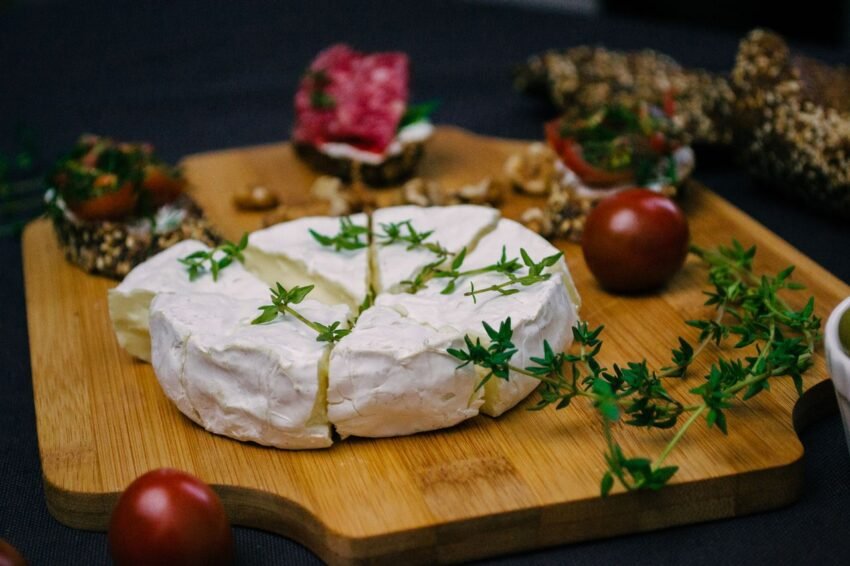
Penicillium camemberti: Forms the soft, velvety white rind of Camembert and Brie.
-
Penicillium roqueforti: Thrives in oxygen-poor environments, creating blue-green veins and sharp, peppery notes in blue cheeses.
-
Brevibacterium linens: An orange-hued bacterium that thrives on washed rinds, responsible for pungent aromas and creamy interiors.
-
Mapping the World of Cheese
Geographic constraints historically dictated cheesemaking techniques, generating a diverse global spectrum of styles:
| Cheese Style | Geographic Origin | Microbial / Structural Key | Flavor Profile & Characteristics |
| Roquefort | Southern France (Combalou Caves) | Penicillium roqueforti cultured in natural limestone caves using unpasteurized sheep’s milk. | Salty, sharp, moist, with distinct blue-green veining and a creamy texture. |
| Parmigiano-Reggiano | Emilia-Romagna, Italy | Raw cow’s milk aged in copper vats for 12–36 months with native starter cultures. | Hard, granular, rich in umami (free glutamate crystals), nutty, and savory. |
| Feta | Mountainous Greece | Lactic acid fermentation of sheep/goat milk preserved in salty brine solution. | Tangy, acidic, crumbly, and sharp; adapted for warm Mediterranean climates. |
| Gouda | Netherlands | Washed-curd technique (removing whey and adding warm water to leach lactose). | Sweet, buttery, caramel-like notes when aged, with a smooth, pliable paste. |
Modern Craft and Biological Preservation
Today, the global cheese landscape stands at an intersection between industrial standardization and an artisan renaissance. Protected Designation of Origin (PDO) regulations across Europe safeguard heritage cheeses, ensuring that titles like Gorgonzola, Comté, or Manchego can only be applied to cheeses produced in their ancestral regions using traditional microbial practices.
By honoring the intricate interplay between animal diets, native microbes, and local geography, artisan cheesemakers preserve a biological map of our planet’s history—one slice at a time.