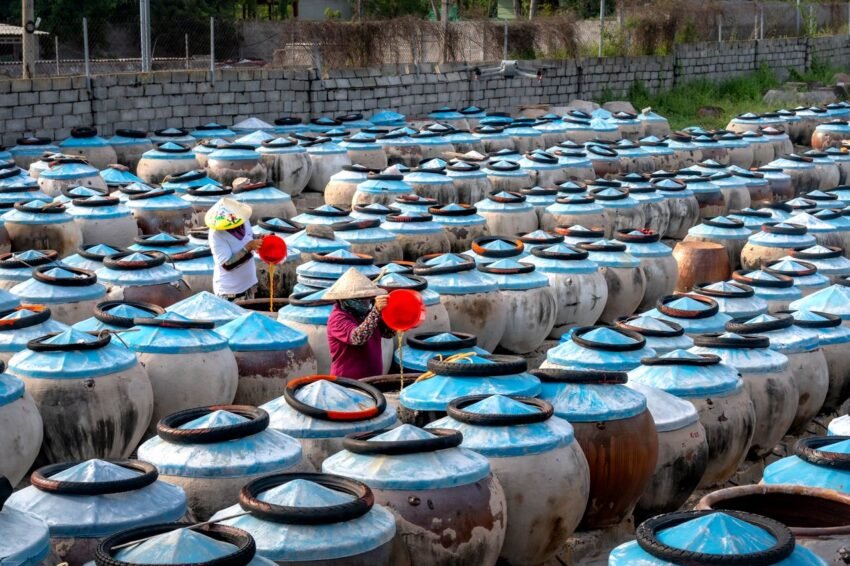
At the heart of the world’s most deeply satisfying food traditions lies a quiet, biological miracle: fermentation. Long before modern biochemistry unlocked the secrets of taste receptors, ancient food preservers learned that combining simple proteins—soybeans or fish—with salt, water, and specialized microorganisms unlocked explosive depths of flavor that fresh ingredients could never achieve on their own.
Soy sauce, miso, and fish sauce are the undisputed holy trinity of fermented liquid and paste seasonings. Though originating from different coastal and inland agricultural regions, all three rely on the enzymatic breakdown of complex proteins into free amino acids—most notably glutamic acid, the foundational chemical compound responsible for umami (the fifth taste).
The Catalysts: Microbes and Proteolysis
The primary mechanism driving soy sauce and miso fermentation is proteolysis—the breakdown of long protein chains into individual amino acids and small peptides by fungal enzymes.
-
Koji-kin (Aspergillus oryzae): A filamentous fungus cultivated on cooked grains (rice, barley, or wheat) or soybeans. As Aspergillus oryzae grows, it produces potent protease and amylase enzymes that digest proteins into savory glutamates and complex starches into sweet simple sugars.
-
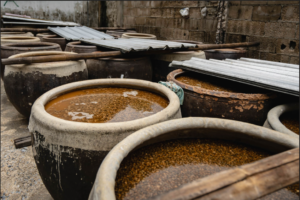
Autolysis in Fish Sauce: Unlike soybean fermentations that rely on added molds, traditional fish sauce relies primarily on endogenous enzymes (proteases naturally present in the digestive tracts of small pelagic fish like anchovies) combined with salt-tolerant bacteria (Halophilus). High salt concentrations suppress spoilage bacteria while allowing internal digestive enzymes to break down fish tissue into liquid protein gold.
Anatomy of the Trio: Origins, Process, and Profile
While sharing a biological reliance on salt-driven preservation, each condiment follows a distinct production path and develops a unique culinary identity:
| Condiment | Core Ingredients | Key Microorganism / Engine | Primary Flavor Notes | Traditional Culinary Role |
| Soy Sauce (Shoyu / Jiangyou) | Soybeans, roasted wheat, salt, water | Aspergillus oryzae (Koji) + Lactic acid bacteria & yeast | Savory, salty, subtle caramel sweetness, complex esters | Dipping sauces, braises, marinades, table seasoning |
| Miso | Soybeans, salt, inoculated grain (rice/barley koji) | Aspergillus oryzae + Zygosaccharomyces yeasts | Earthy, rich, nutty, ranging from sweet-tangy to deep umami | Soups, glazes, braising liquids, marinades |
| Fish Sauce (Nước Mắm / Nam Pla) | Whole oily fish (anchovies), sea salt | Endogenous fish gut enzymes (autolysis) + halophilic bacteria | Briny, pungent, intensely savory, subtle sweetness | Dipping liquids, curry bases, stir-fry seasoning, dressings |
The Spectrum of Styles
Understanding the nuances within each category allows cooks to dial in precise flavor profiles:
1. Soy Sauce Varieties
-
Light / Thin Soy Sauce (Sheng Chou / Usukuchi): Paler in color but saltier to taste; preserves the visual clarity of light broths while delivering punchy salinity.
-
Dark Soy Sauce (Lao Chou): Aged longer with added molasses or caramel; thicker, less salty, and prized for imparting a deep amber mahogany sheen to stir-fries and braises.
-
Tamari: A Japanese style brewed almost entirely without wheat; rich, thick, and inherently gluten-free.
2. The Color Map of Miso
-
White Miso (Shiro Miso): High ratio of rice koji to soybeans with a short fermentation time (weeks to months). Sweet, light, and delicate.
-
Red / Dark Miso (Aka Miso): High proportion of soybeans aged for up to several years. Deep brown/red hue due to the Maillard reaction, offering a bold, pungent, and deeply savory punch.
3. First-Press Fish Sauce
Similar to extra virgin olive oil, the highest grade of fish sauce—known as Nước Mắm Nhĩ in Vietnam—comes from the very first extraction drawn from unpressurized wooden fermentation vats after 12 to 18 months of aging. It possesses a clear amber clarity, smooth salinity, and a clean, non-fishy finish.
The Chemistry of Culinary Synergy
When paired with ingredients containing naturally occurring inosinate (found in meat, poultry, and fish) or guanylate (found in dried mushrooms), the free glutamates in soy sauce, miso, and fish sauce bind to human taste receptors in a multiplicative way—a phenomenon known as umami synergy.
By mastering these three liquid and paste powerhouses, cooks tap into thousands of years of biological wisdom, transforming simple daily meals into deeply satisfying flavor experiences.