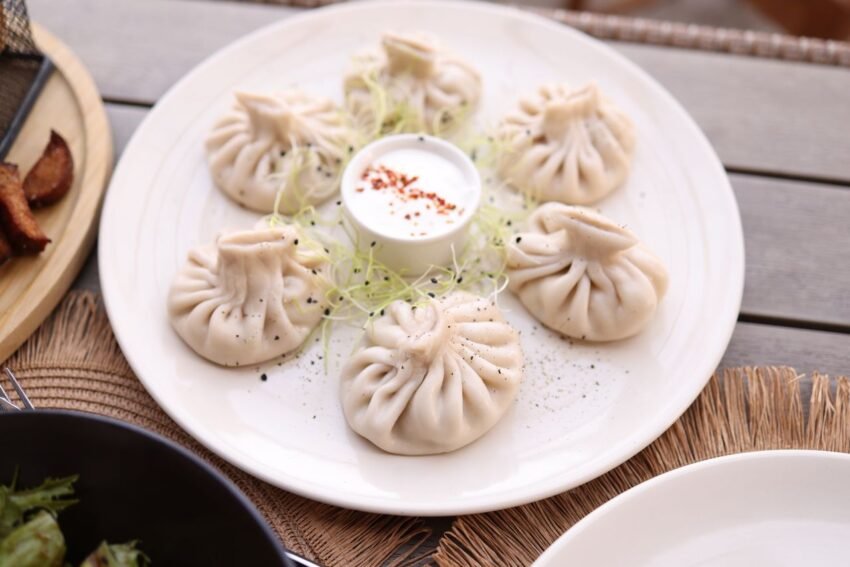
If there is a single culinary concept that transcends language barriers, oceans, and geopolitical borders, it is the dumpling. At its most fundamental level, a dumpling is elegantly simple: a pocket of starch dough enclosing a savory or sweet filling.
Yet, this simple formula has yielded an astonishing variety of dishes across human history. From delicate steamed basket dumplings in Shanghai to hearty boiled pockets in Eastern Europe and spiced fried pastries in South America, almost every major culture on Earth has invented its own distinct expression of the dumpling.
The Genius of the Starch Pocket: Why Dumplings Evolved Everywhere
The universal appeal and independent evolution of dumplings across continents stem from several practical historical necessities:
-
Stretching Scarce Ingredients: Wrapping small, finely chopped portions of meat or vegetables inside an inexpensive, carbohydrate-dense dough allowed working-class households to feed larger families during times of scarcity.
-
Portability and Preservation: Encasing perishable proteins inside dough helped preserve humidity and flavor, creating a self-contained, portable meal for field laborers, soldiers, and long-distance traders.
-
Culinary Resourcefulness: Dumplings provided a creative canvas for using leftover roast meats, seasonal vegetables, or wild-harvested herbs, minimizing kitchen food waste.
A Global Map of Dumpling Traditions
While sharing the same fundamental anatomy, regional dumplings reflect distinct local grains, cooking techniques, and flavor preferences:
| Dumpling Style | Region of Origin | Wrapper & Filling Profile | Primary Cooking Method | Distinctive Characteristics |
| Xiao Long Bao | China (Jiangnan) | Unfermented wheat flour filled with seasoned minced pork and gelatinized broth aspic. | Steamed in bamboo baskets | Releases a rich, hot savory soup broth when bitten into. |
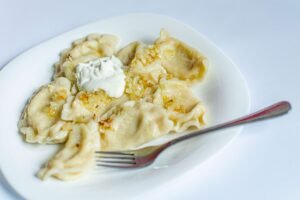
| Pierogi | Poland & Eastern Europe | Unleavened wheat dough filled with mashed potatoes, farmer’s cheese, sauerkraut, or berries. | Boiled, then pan-fried in butter with onions | Soft, comforting texture, often served with sour cream. |
| Momo | Nepal, Tibet & India | Thin wheat dough stuffed with spiced minced meat (chicken, buffalo) or vegetables. | Steamed or deep-fried | Served with fiery tomato-sesame chutneys (achar). |
| Ravioli | Italy | Egg and wheat pasta dough stuffed with ricotta, spinach, nutmeg, or braised meats. | Boiled and tossed in sauce | Emphasizes structural pasta bite (al dente) paired with rich sauces. |
| Empanada | Latin America & Spain | Wheat or corn flour dough folded over seasoned beef, chicken, or corn. | Baked or deep-fried | Features a flaky, golden crust with savory, spiced interior fillings. |
The Cultural Ritual of Dumpling Making
Beyond their nutritional value, dumplings hold a special place in social and family traditions across many cultures. Because making dumplings by hand requires meticulous, repetitive labor—rolling individual wrappers, portioning filling, and carefully folding edges—it is rarely a solitary endeavor.
-
Lunar New Year Reunion: In Northern China, families gather on New Year’s Eve to wrap jiaozi together. The shape of the dumpling resembles ancient Chinese silver ingots, symbolizing good fortune and prosperity for the coming year.
-
Family Traditions: In Eastern European households, making batches of pierogi or Russian pelmeni remains a cherished holiday tradition, with recipes passed down through generations.
The Ultimate Culinary Canvas
Whether boiled, steamed, pan-fried, or baked, dumplings prove that simple ingredients can produce extraordinary comfort. By pairing humble dough with local meats, vegetables, and spices, cultures around the world arrived at the same delicious conclusion: wrapping food in dough makes it infinitely better.