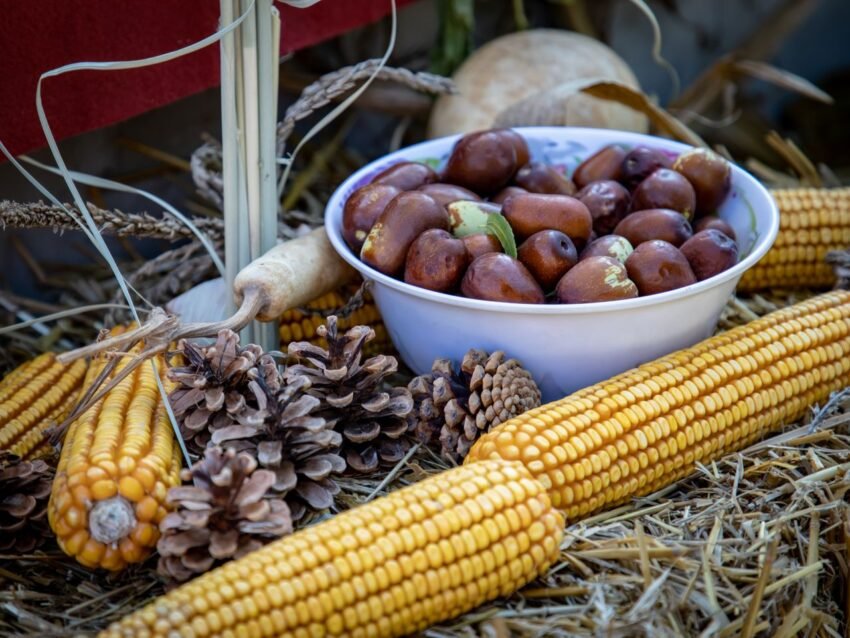
While many associate “Thanksgiving” exclusively with the American holiday of turkeys, football, and autumn parades, the impulse to gather following a successful crop yield is a universal human tradition. Long before European settlers landed in North America, agrarian societies across every inhabited continent developed sacred rituals to express gratitude for the land’s bounty.
From the wheat fields of Germany to the yam harvests of West Africa, harvest festivals share a common spirit: community reflection, ancestral reverence, and shared feasting.
The Universal Theme: Giving Thanks Across Continents
Harvest celebrations reflect the agricultural rhythms of their specific regions. While northern hemisphere festivals often align with late autumn, tropical and southern hemisphere traditions follow different crop cycles—celebrating everything from rice to root vegetables.
-
Ghana & Nigeria (Homowo and New Yam Festivals): Across West Africa, the yam is considered a sacred staple crop. The Homowo Festival of the Ga people in Ghana—meaning “hooting at hunger”—commemorates a historic victory over famine with the preparation of Kpokpoi, a steamed cornmeal and palm nut dish served alongside fish soup.
-
Germany, Austria, & Switzerland (Erntedankfest): The European “Thanksgiving” is primarily a church-centered autumn festival. Altars are decorated with woven wheat crowns, fruits, and vegetables. Feasting centers on roasted capon or goose rather than turkey, accompanied by fresh sourdough breads and new wines.
-
India (Pongal and Onam): In South India, multi-day harvest festivals celebrate the sun god and agricultural abundance. During Pongal in Tamil Nadu, fresh rice is boiled in milk and jaggery in clay pots until it boils over, symbolizing overflowing wealth and vitality.
Comparing Harvest Traditions Around the World
| Festival / Region | Core Crop or Staple | Signature Culinary Dishes | Cultural & Symbolic Focus |
| Thanksgiving (USA / Canada) | Maize, Squash, Turkeys | Roast turkey, stuffing, cranberry sauce, pumpkin pie | Historical memory, family reunions, and autumn gratitude. |
| Mid-Autumn Festival (East Asia) | Rice, Wheat, Lotus Seed | Mooncakes filled with sweet lotus paste and salted egg yolks | Lunar worship, family completeness, and successful harvests. |
| Pongal (South India) | Freshly harvested Rice | Sweet and savory Pongal (boiled rice with lentils and cashew) | Gratitude to the Sun God (Surya) and farm livestock. |
| Erntedankfest (Central Europe) | Wheat, Grapes, Poultry | Roasted goose, harvest breads (Erntebrot), cider and wine | Religious thanksgiving, community parades, and church blessings. |
The Common Threads That Bind Us
Despite regional variations in climate, religion, and cuisine, global harvest celebrations share three fundamental pillars:
-
Shared Abundance over Scarcity: These rituals were established by agrarian ancestors who lived in constant proximity to famine. Celebrating a successful harvest was a vital moment to build morale before lean winter or dry months.
-
Honoring the Ancestors and the Divine: Whether offering boiled rice to the sun or setting a plate for departed spirits, harvest festivals acknowledge that human labor alone does not guarantee survival—nature and spirit play a role.
-
The Open Table: In almost every tradition, harvest time mandates hospitality. Wealthier households share surplus crops with the poor, ensuring that everyone in the community tastes the season’s blessings.
Gratitude as a Shared Human Language
The global tapestry of thanksgiving traditions proves that while our staple crops and culinary techniques differ, the human desire to pause, break bread, and give thanks for the soil’s generosity is universal.