When people are displaced across borders—whether by force, economic necessity, or conflict—they often leave behind land, possessions, and physical stability. Yet, culinary memory is almost impossible to erase. For diaspora communities, food acts as a living bridge to the homeland and a powerful instrument of quiet political, social, and cultural resistance.
In the face of forced assimilation, xenophobia, or systemic erasure, the daily act of cooking ancestral dishes becomes a declaration: We are still here, and our story continues.
Mechanisms of Culinary Resistance
Food functions as a tool of resilience through several key mechanisms:
-
Ingenuity and Substitution: When traditional ingredients are unavailable in a new environment, diaspora cooks innovate. Enslaved Africans in the Americas transformed discarded animal cuts into rich, nourishing Soul Food and braided rice seeds into their hair before forced voyages across the Atlantic to ensure their crops would survive.
-
Creating Sacred Spaces: Ethnic grocery stores, family kitchens, and street stalls serve as physical safe havens. These spaces offer immigrants language, familiarity, and dignity in environments that may otherwise feel unwelcoming.
-
Reclaiming Narrative: Second- and third-generation chefs use traditional recipes to challenge colonial hierarchies that label Western cuisines as “refined” and non-Western foods as merely “cheap” or “exotic.”
Global Case Studies: Food as Heritage and Survival
Across different continents, distinct diaspora groups have preserved their history through iconic food traditions:
| Diaspora Community | Heritage Dish / Practice | Historical Context & Resistance Mechanism |
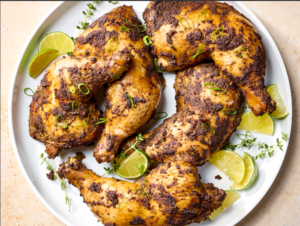
| African Diaspora (Caribbean) | Jerk Spice & Cooking | Developed by Maroons (escaped enslaved people in Jamaica) who smoked meat underground with pimento wood to prevent smoke from alerting captors. |
| Palestinian Diaspora | Musakhan & Olive Oil | Cooking sumac-spiced chicken over flatbread with extra virgin olive oil preserves ancestral ties to land and agricultural heritage despite exile. |
| Korean Diaspora (Central Asia / Koryo-saram) | Morkovcha (Korean Carrot Salad) | Forced deportation to Central Asia in 1937 left Korean communities without napa cabbage; they adapted kimchi fermentation techniques using local carrots. |
| Jewish Diaspora (Eastern Europe) | Challah & Matzo | Strict adherence to dietary laws (Kashrut) and ritual baking preserved collective identity across centuries of wandering and persecution. |
The Reclamation of Gastronomic Sovereignty
As diaspora communities settle across generations, food evolves from a survival mechanism into a proud marker of dual identity. Cooking heritage recipes is not an refusal to integrate; it is an insistence that integration does not require self-erasure.
By keeping ancestral flavor profiles, spices, and cooking techniques alive, diaspora communities ensure that their history is tasted, remembered, and passed on—one plate at a time.