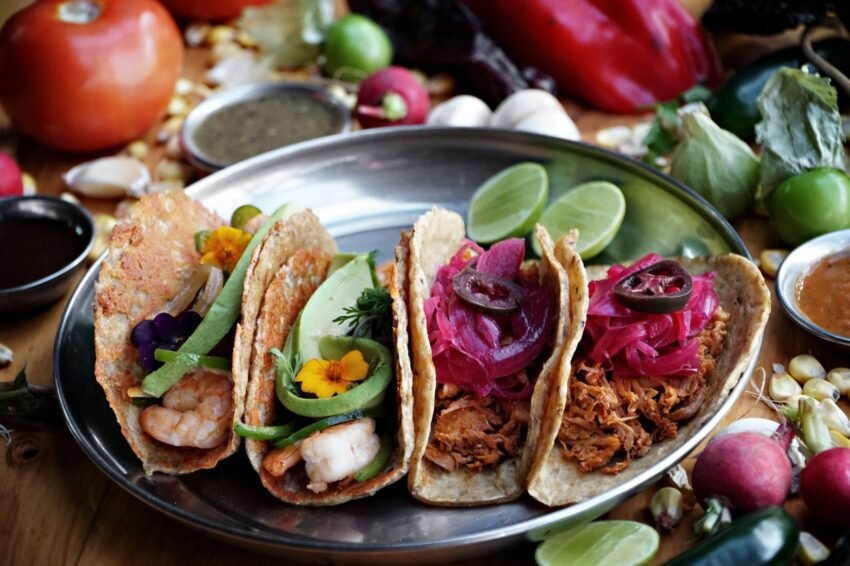
When global diners think of Mexican cuisine, their minds often leap to street-style tacos, sizzling fajitas, or cheesy burritos. Yet, reducing Mexico’s vast culinary heritage to tacos is like limiting Italian gastronomy to pizza. Recognized in 2010 by UNESCO as an Intangible Cultural Heritage of Humanity, traditional Mexican cuisine is a complex, thousands-of-years-old agricultural and cultural ecosystem.
From the indigenous Maya and Aztec roots to Spanish, African, and Middle Eastern influences, Mexican regional cooking changes dramatically as you travel across the country’s varied landscapes.
The Foundation: The Sacred Agricultural Triad
To understand Mexican cooking, one must first look at the Milpa—an ancient Mesoamerican polyculture farming system. Rather than growing single crops in isolation, indigenous farmers planted corn, beans, and squash together in a symbiotic relationship:
-
Corn (Maíz): The stalks provide structural support for climbing beans. Through the ancient process of nixtamalization—soaking corn in an alkaline lime-water solution—the grain becomes digestible, releasing essential niacin and creating the dough (masa) used for tortillas, tamales, and pozole.
-
Beans (Frijoles): Fix nitrogen in the soil, enriching the earth for corn and squash while providing essential proteins.
-
Squash (Calabaza): Broad leaves shade the ground, retaining soil moisture and suppressing weeds.
Together with native chilies, tomatoes, cacao, and wild herbs like epazote, the Milpa forms the nutritional and flavor backbone of every region in Mexico.
A Tour of Mexico’s Culinary Regions
Mexico’s geography ranges from arid deserts and Pacific coastlines to high-altitude valleys and tropical rainforests. Each landscape has nurtured a distinct culinary identity:
| Culinary Region | Signature Dishes | Key Flavors & Ingredients |
| Oaxaca (Land of the Seven Moles) | Mole Negro, Tlayudas, Quesillo | Dried chilies (chilhuacle), chocolate, agave, native herbs (hoja santa). |
| Yucatán Peninsula | Cochinita Pibil, Sopa de Lima | Achiote paste, sour oranges, habanero peppers, slow pit-roasting (pib). |
| Puebla & Central Highlands | Chiles en Nogada, Mole Poblano | Poblano peppers, walnuts, pomegranate, complex dried chili sauces. |
| Baja California & Pacific Coast | Fish Tacos, Aguachile, Ceviche | Fresh seafood, lime juice, cucumber, fresh chilies, Mediterranean produce. |
| Northern Mexico | Machaca, Cabrito, Flour Tortillas | Wheat flour, grilled beef, dried meats, goat cheese, simple bold flavors. |
The Complexity of Mole: Mexico’s Culinary Masterpiece
Perhaps no dish better encapsulates the depth of Mexican regional cooking than Mole. Far from being just a “chocolate sauce,” mole represents the ultimate synthesis of pre-Columbian and European traditions.
A traditional Mole Negro from Oaxaca can take days to prepare, incorporating over 30 distinct ingredients—including toasted dried chilies, seeds, nuts, charbroiled plantains, stale tortillas, cinnamon, cloves, and local cacao—all ground by hand on a stone metate and slow-simmered in clay pots.
Honoring the Diversity of the Table
Mexican regional cooking is an enduring testament to cultural preservation and adaptation. By looking beyond fast-food stereotypes and exploring the regional pots of Oaxaca, the Yucatán, and Puebla, diners discover a cuisine deeply connected to the land, history, and communal soul of Mexico.