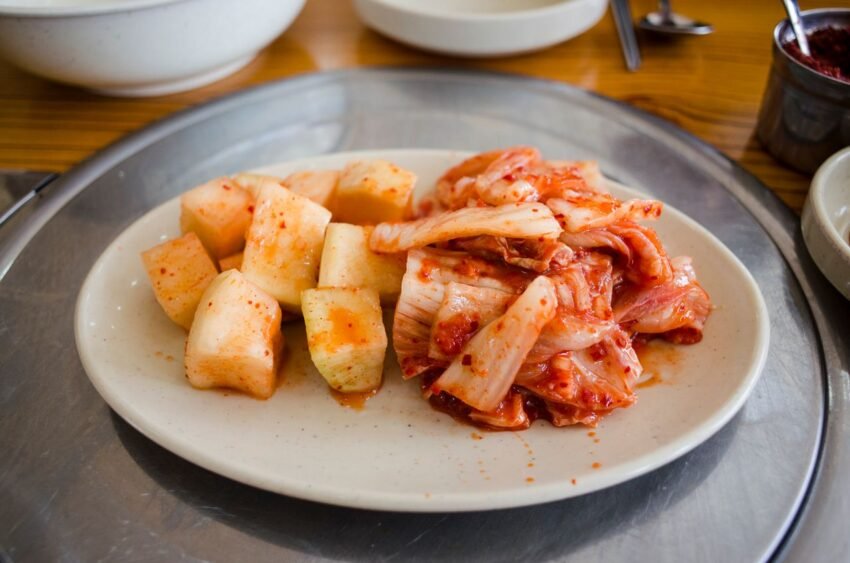
In South Korea, winter preparation has historically centered around a single, massive community event: Kimjang. Inscribed by UNESCO in 2013 on the Representative List of the Intangible Cultural Heritage of Humanity, Kimjang is the traditional collective practice of preparing and sharing large quantities of kimchi—primarily made from salted napa cabbage and daikon radish—to sustain households through the long, harsh winter months.
Far more than a simple culinary chore, Kimjang is a powerful cultural institution. It reinforces social cohesion, passes ancestral knowledge down through generations, and serves as a vibrant symbol of Korean national identity and communal resilience.
The Agricultural Rhythm: Timing and Scale
Kimjang typically takes place in late autumn (late October to November), just as the first frosts approach. Before modern refrigeration, fresh vegetables were unavailable throughout winter. Kimjang solved this seasonal scarcity by preserving fresh harvests through natural lactic acid fermentation.
The sheer scale of traditional Kimjang required immense effort. A single extended family might prepare anywhere from 50 to over 100 heads of cabbage. Because the process is too labor-intensive for one person, neighbors and extended family members formed collective work groups (Dure or Poomasi) to help each home take turns completing their batch.
The Anatomy of the Kimjang Process
Preparing authentic Baechu-kimchi (napa cabbage kimchi) during Kimjang is a multi-step, labor-intensive art form that takes several days to complete:
| Stage | Process & Ingredients | Cultural & Culinary Purpose |
| 1. Salting (Jeoligi) | Cabbages are halved, rubbed with coarse sea salt, and soaked in brine for 10–12 hours. | Draws out excess moisture, softens leaves, and creates the ideal environment for beneficial bacteria. |
| 2. Washing & Draining | Salted cabbages are thoroughly rinsed in clean water multiple times and drained dry. | Removes excess surface salt and ensures proper crispness before seasoning. |
| 3. Paste Preparation (Sok) | Mixing Korean red pepper flakes (Gochugaru), garlic, ginger, minced onion, fish sauce (Jeotgal), and radish threads. | Creates the nutrient-dense, savory seasoning paste that drives complex fermentation. |
| 4. Stuffing (Bimigi) | Seasoning paste is meticulously rubbed between every individual leaf of every cabbage half. | Ensures uniform flavor distribution and proper fermentation exposure across the entire vegetable. |
| 5. Packing & Storage | Cabbage heads are tightly packed into earthenware jars (Onggi) or specialized kimchi containers. | Minimizes air exposure, facilitating anaerobic lactic acid fermentation. |
Onggi: Nature’s Breathable Fermentation Vessel
Historically, once the cabbage was stuffed, it was packed tightly into Onggi—traditional microporous earthenware jars. These pots were then buried deep in the ground up to their necks.
The soil insulation prevented the kimchi from freezing during sub-zero winter temperatures, while the breathable ceramic allowed microscopic gas exchange without letting water in. This natural temperature control produced a slow, perfectly balanced fermentation rich in probiotic Lactobacillus bacteria.
Bossam: The Reward of Labor
No Kimjang day is complete without the traditional feast. At the end of a grueling day of preparation, the community gathers to eat Bossam—boiled pork belly sliced thin, wrapped inside fresh, unfermented salted cabbage leaves with a generous dollop of freshly made Kimjang seasoning. Combined with glasses of Makgeolli (unfiltered rice wine), this celebratory meal transforms hard physical labor into a joy-filled party.
Preserving the Social Fabric
In contemporary South Korea, where fast-paced urban living and modern supermarkets make pre-packaged kimchi readily available, Kimjang endures as a vital cultural touchstone. Corporations, schools, and civic organizations host massive public Kimjang events every autumn, making thousands of tons of kimchi to distribute to low-income families and the elderly.
By passing down recipes, techniques, and spirit from grandmothers to grandchildren, Kimjang proves that Korean kimchi is not just a side dish on a table—it is the very heart of community, solidarity, and shared pride.