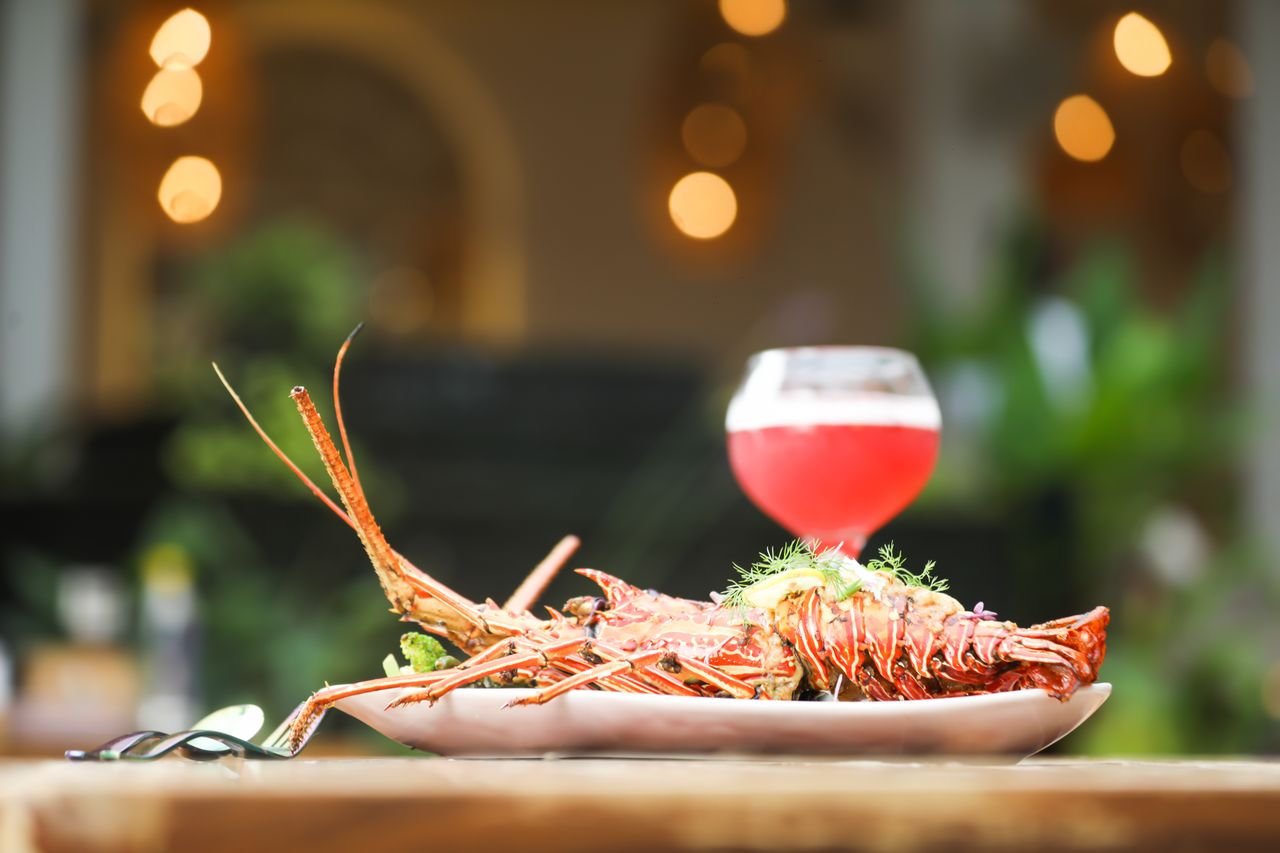
Today, lobster served with drawn butter and sturgeon caviar dolloped on mother-of-pearl spoons are undisputed symbols of wealth, luxury, and fine dining. Yet, for the vast majority of human history, both of these prized delicacies carried a very different reputation: they were cheap, abundant, and viewed as the desperate sustenance of the poor, prisoners, and indentured servants.
The transformation of lobster and caviar from peasant food to luxury icons reveals how social class, industrial technology, and clever culinary marketing shape our perception of taste.
Lobster: The “Cockroach of the Sea”
When European settlers first arrived in North America during the 17th century, lobsters were so plentiful along the Atlantic coast that winter storms would wash them ashore in knee-deep piles. Native Americans used them as crop fertilizer and fish bait, but English colonists viewed the bottom-feeders with outright disgust.
In colonial New England, lobster was considered the ultimate mark of poverty. It was fed routinely to servants, prisoners, and enslaved people.
-
The Servant Clause: Massachusetts indentured servant contracts famously included stipulations that masters could not force them to eat lobster more than two or three times a week.
-
Fertilizer and Bait: Lobsters were routinely crushed up and spread across cornfields as cheap fertilizer.
-
Overcooked and Soft: Because early cooks boiled dead lobsters until they turned tough and rubbery, the meat earned a reputation for being bland, leathery, and unpleasant.
Caviar: Free Saloon Snacks and River Overabundance
While lobster was piling up on American shores, caviar experienced a remarkably similar trajectory in Russia, Europe, and North America.
For centuries, sturgeon roe was eaten by fishermen along the Volga and Caspian seas simply because sturgeon were enormous and plentiful. Russian peasants ate salted roe during religious fasts when meat was forbidden.
By the late 19th century, American rivers—especially the Delaware and Hudson—were swarming with Atlantic sturgeon. Caviar was so abundant in the United States that saloons gave it away for free at the bar. Because the salted roe was naturally salty, saloon keepers knew it would make patrons thirsty, prompting them to order more beer.
The Turning Point: How Scarcity and Railways Created Luxury
The evolution of both foods from cheap surplus to high-end luxury occurred during the late 19th and early 20th centuries, driven by two major factors: technological innovation and ecological collapse.
Comparing Their Journeys to the Fine Dining Table

| Aspect | Lobster | Caviar |
| Original Perception | “Cockroach of the sea”; food for inmates and farm fertilizing. | Free saloon snack; peasant sustenance during religious fasts. |
| Primary Geographic Origin | North Atlantic coastline (North America & Europe). | Caspian and Black Seas; major river systems in USA & Russia. |
| Catalyst for Luxury Status | Railway dining cars and live-boiling culinary techniques. | Severe overfishing leading to global scarcity. |
| Modern Culinary Preparation | Steamed whole, butter-poached, or served in bisque and high-end rolls. | Unpasteurized on ice, paired with blinis, creme fraiche, and champagne. |
The Psychology of Culinary Value
The history of lobster and caviar demonstrates that flavor is only a fraction of what makes food “valuable.” Human perception of taste is heavily influenced by scarcity, social status, and context. Once an abundant resource becomes hard to acquire and garners interest from high-society elites, its cultural value flips overnight—turning yesterday’s trash into today’s ultimate indulgence.