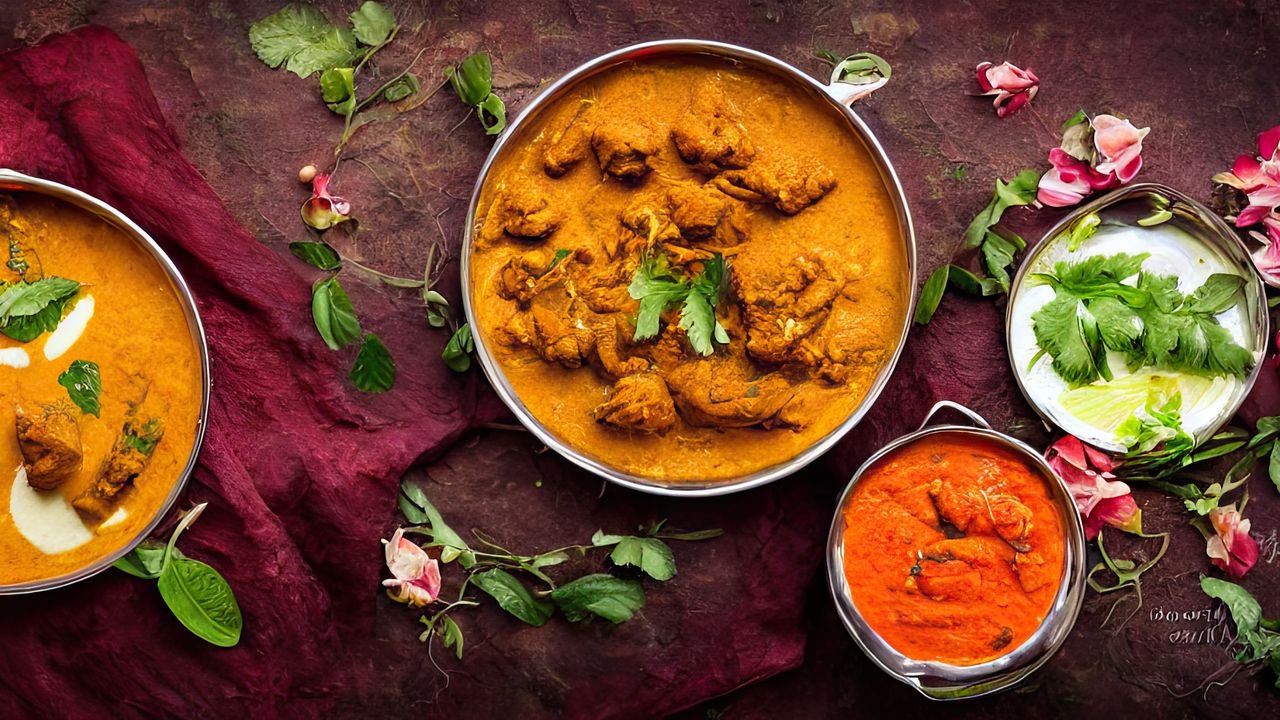
Few foods tell the story of global trade, migration, and imperial expansion as vividly as curry. What began as a complex tapestry of spiced gravies deeply rooted in the Indian subcontinent is today enjoyed in virtually every corner of the globe—from the katsu houses of Tokyo and the roti shops of Trinidad to the brick-lane curry houses of London.
The journey of curry is not merely a tale of culinary exchange; it is a story of empire, indentured labor, and human adaptability. As people crossed oceans, they took their culinary traditions with them, recreating the flavors of home using local ingredients and giving birth to unique fusion cuisines.
The Etymology: How “Kari” Became “Curry”
The word curry itself is an anglicized creation. It originates from the Tamil word kari (கறி), which refers to a spiced sauce or dish of vegetables and meat cooked with spices like turmeric, coriander, cumin, and curry leaves.
When Portuguese traders arrived on the Malabar coast in the late 15th century, they adopted the term as caril. Later, British officers of the East India Company generalized all spiced, gravy-based South Asian dishes under the single umbrella term “curry.” In doing so, they flattened a vast and diverse regional cooking landscape into a single catch-all concept that could easily be exported across the globe.
The Imperial Pipeline: Routes of Adaptation
The global spread of curry followed three distinct historic pathways, each resulting in a unique regional adaptation:
-
The Caribbean & Pacific (Indentured Adaptation):After British emancipation, workers brought from South Asia to work on sugar plantations in Trinidad, Guyana, Jamaica, and Fiji brought their spice-grinding techniques with them. Lacking native ingredients like mustard seeds or specific lentils, they adapted using local allspice, scotch bonnet peppers, and root vegetables—giving rise to iconic dishes like Trinidadian Goat Curry served inside flaky buss-up-shut roti.
-
East Asia (The Naval Connection):During the Meiji era, the Royal Navy introduced British-style curries—thickened with wheat flour roux and sweetened with apples or honey—to Japan. Adapted to suit local tastes, Japanese Karē evolved into a comfortable staple now considered a national dish, complete with crispy tonkatsu cutlets.
-
Britain (The Empire Comes Home):British soldiers returning from colonial service brought a taste for spiced gravy back home. By the mid-20th century, South Asian immigrants opened neighborhood curry houses across the UK. It was here that Chicken Tikka Masala was created—adapting dry, tandoori-roasted chicken with a mild, creamy tomato sauce to satisfy British dining preferences.
Comparing Regional Curry Styles Across the Globe
| Region | Landmark Dish | Key Spice Profile | Thickening Agent / Base |
| South Asia (India/Pakistan) | Chicken Chettinad, Rogan Josh | Freshly ground whole spices, turmeric, chili, cumin | Onions, tomatoes, yogurt, or coconut milk |
| The Caribbean | Trinidadian Curry Goat | Allspice, green seasoning, scotch bonnet, curry powder | Slow-braised meat juices and starch |
| Japan | Karē Raisu | Mild curry powder, soy sauce, garam masala | Wheat flour roux with grated apple/onion |
| United Kingdom | Chicken Tikka Masala | Paprika, cumin, coriander, cream | Rich tomato-cream gravy (masala) |
| Southeast Asia (Thailand) | Green / Massaman Curry | Lemongrass, galangal, shrimp paste, coconut milk | Reduced coconut cream and fresh herb pastes |
A Dish Without Borders
The story of curry demonstrates that food culture is never static. What started as an umbrella term used by colonial administrators evolved into a global culinary language. Today, curry belongs to no single nation—it is an enduring testament to how migration, adaptation, and human creativity can turn historical exchange into shared comfort food.