Throughout human history, grief and hunger have been intimately connected. When a member of a community dies, those left behind face a profound emotional void—and yet, the physical necessity of eating remains. Across nearly every global tradition, the response to death includes a shared meal: the funeral feast.
Far from being a mere logistical necessity to feed traveling mourners, funeral foods carry deep symbolic, spiritual, and social significance. By cooking, offering, and consuming specific dishes, cultures honor the deceased, assist their journey to the afterlife, comfort the living, and reaffirm the continuity of life.
Nourishing the Spirit: Food for the Journey Beyond
In many ancient and living traditions, death is viewed not as an absolute end, but as a passage to another realm—a journey that requires sustenance.
-
Ancient Egypt: Tombs were stocked with sealed jars of wine, beer, dried meats, honey, and loaves of bread to nourish the Ka (spirit) on its perilous journey through the underworld.
-
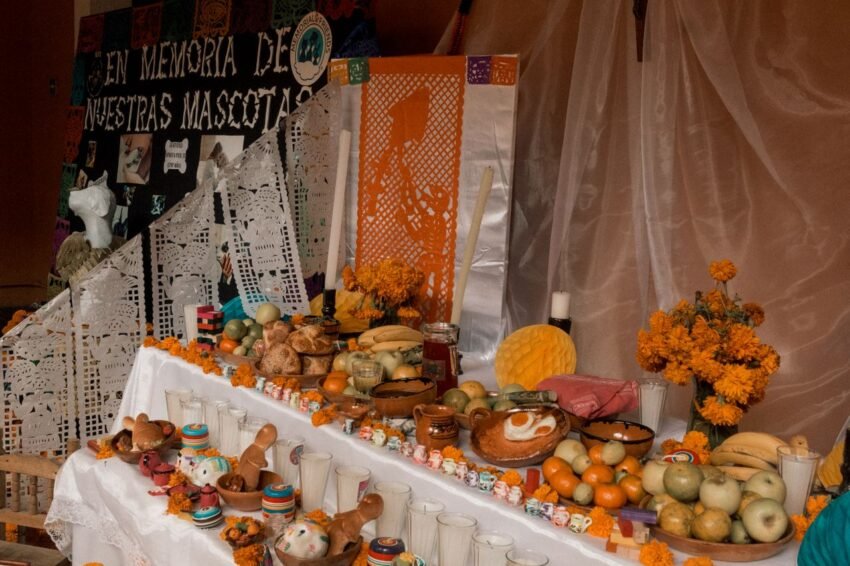
Día de los Muertos (Mexico): Every November, Mexican families erect elaborate altars (ofrendas) featuring Pan de Muerto (a sweet, orange-blossom egg bread decorated with bone-shaped dough pieces), sugar skulls, and the favorite dishes of the deceased. The aroma of hot chocolate, mole, and fresh bread is believed to guide departed souls back home for a night of joyful reunion.
-
Hungry Ghost Festival (China & East Asia): During the seventh lunar month, Taoists and Buddhists set out tables laden with roasted meats, steamed rice, and fruits to appease wandering, uncared-for spirits, preventing them from bringing misfortune upon the living.
Comforting the Living: Funeral Foods Across Cultures
While some dishes are cooked for the spirit, others are crafted specifically to sustain grieving family members who are too overcome with sorrow to cook for themselves.
| Culture / Region | Traditional Funeral Food | Symbolic Meaning & Social Function |
| New Orleans (USA) | Jazz Funeral Feast (Gumbo, Jambalaya) | Shifts the mood from mourning to a celebration of life through rich, soul-nourishing communal dishes. |
| Ghana | Funerary Feasts (Jollof rice, fried plantains, goat stew) | Massive, colorful weekend celebrations where extravagant catering reflects the social status and legacy of the deceased. |
| Ireland | Traditional Wake (Soda bread, ham, whiskey, tea) | Sustains mourners through multi-day home wakes filled with storytelling, music, and toasts to the departed. |
| Midwestern USA | Funeral Potatoes (Hash brown casserole with cheese and cornflake crust) | A warm, inexpensive, high-calorie comfort dish brought by neighbors to support grieving families. |
| Greece (Eastern Orthodox) | Koliva (Boiled wheat berry salad with pomegranate and sugar) | Wheat symbolizes resurrection and eternal life; sweetness symbolizes the sweetness of heaven. |
The Ritual of Sweetness and Bitterness
The flavors chosen for funeral foods often carry intentional duality, contrasting the bitter reality of loss with the sweet hope of memory or spiritual afterlife.
In Eastern Orthodox Christian tradition, Koliva—made of boiled wheat berries, walnuts, raisins, pomegranate seeds, and covered in a blanket of powdered sugar—is served at memorial services. The wheat represents the body buried in the earth, which will rise again, while the sugar represents the sweetness of Paradise.
Similarly, in Jewish tradition, meals served after returning from the cemetery (Se’udat Havra’ah, or the “Meal of Condolence”) feature round foods like boiled eggs and lentils. The round shape symbolizes the cyclical nature of human life and the quiet continuation of existence despite loss.
Eating to Remember
The funeral feast proves that even in our darkest moments of sorrow, gathering around a shared table provides profound solace. By preparing specific dishes handed down through generations, the living pay tribute to those who came before—using the sensory power of taste and memory to ensure the dead are never truly forgotten.