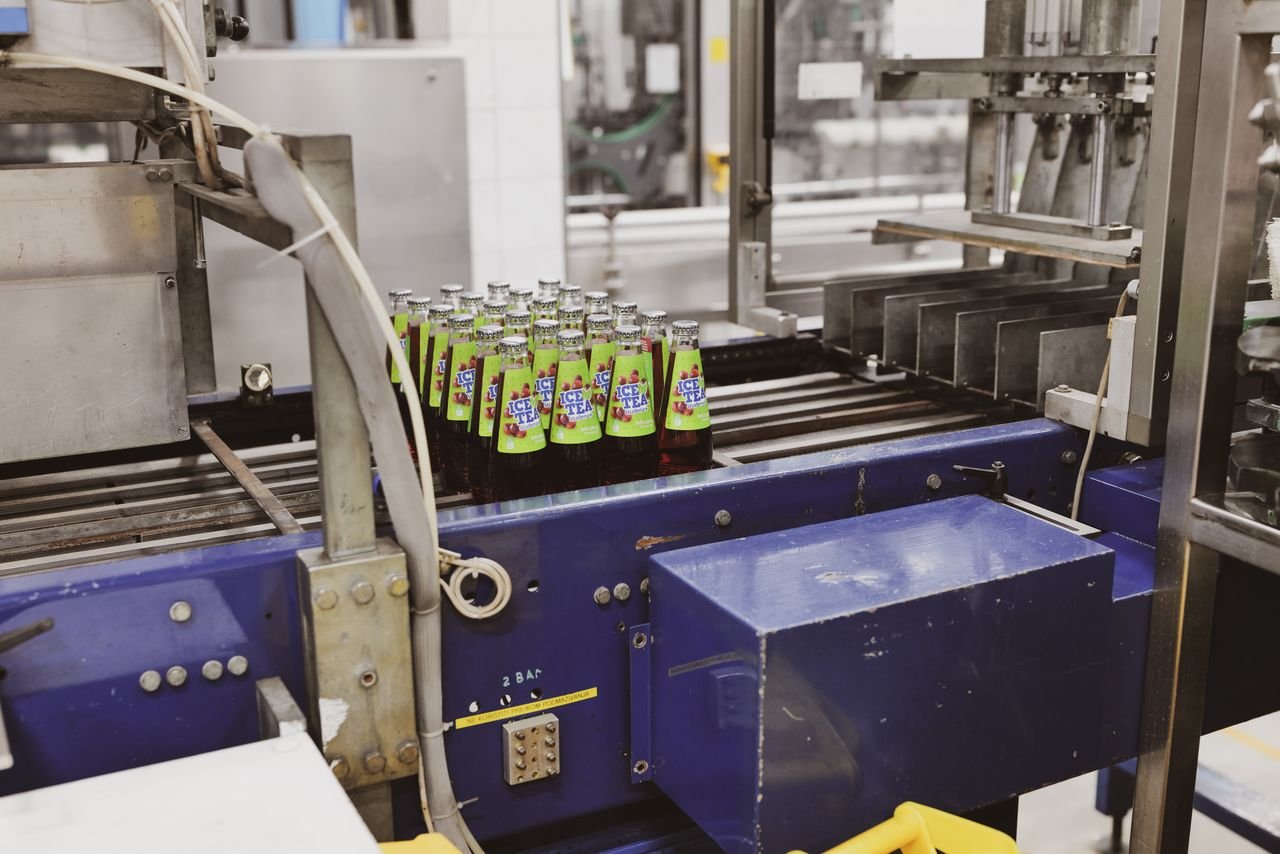
Prior to the 19th century, nearly all human food was local, seasonal, and perishable. Cooking required raw ingredients, firewood, and hours of daily manual labor. However, as steam engines, factories, and rapid urbanization transformed the Western world during the Industrial Revolution, the way humanity produced, preserved, and consumed food changed forever.
The shift from agrarian countryside living to dense urban centers created a massive logistics crisis: How do you feed millions of factory workers who no longer grow their own food, lack home kitchens, and work 14-hour shifts? The answer was the birth of the processed food industry.
The Technologies That Built the Modern Pantry
The rise of industrial food wasn’t driven by culinary ambition, but by engineering, chemistry, and military supply chains. Key technological breakthroughs replaced traditional artisanal methods with mass factory production:
-
Tin Canning (1810s): Invented by Nicolas Appert for Napoleon’s army and perfected by Peter Durand using tin-plated iron cans, factory canning allowed meat, soup, and vegetables to remain edible for years without spoiling.
-
Roller Milling (1870s): Steel roller mills replaced traditional stone mills, stripping wheat grain of its germ and bran to produce ultra-fine, pure white flour. While shelf life skyrocketed because insects wouldn’t eat it, essential nutrients were lost—leading to the modern practice of “enriching” flour.
-
Refrigerated Railcars (1870s): Developed by Gustavus Swift, ice-cooled railcars allowed meatpacking hubs in Chicago to slaughter cattle centrally and ship fresh beef across thousands of miles without spoilage.
-
Condensed Milk and Dehydration: Gail Borden patented condensed milk in 1856, providing safe, shelf-stable dairy to urban infants and Civil War soldiers at a time when raw milk frequently carried tuberculosis.
From Kitchen Independence to Brand Loyalty
Before industrialization, buying food meant dealing directly with local bakers, butchers, and farmers. However, early industrialization also brought widespread food fraud—bakers stretched flour with plaster of Paris or alum, and milk was frequently watered down and dyed with chalk.
Packaged food manufacturers capitalized on this urban anxiety by introducing branded packaging. A sealed box of Quaker Oats or a glass bottle of Heinz Ketchup served as a guarantee of safety, uniformity, and purity. For the first time in history, consumers trusted a corporate logo more than their local grocer.
Shift in Everyday Diets: Pre-Industrial vs. Industrial Era
| Aspect | Pre-Industrial Food Culture | Industrial Processed Food Culture |
| Sourcing | Local farms, home gardens, seasonal availability | Global factory supply chains, year-round availability |
| Preparation Time | Hours of daily cooking, grinding, and smoking | Minutes (ready-to-eat, canned, or instant) |
| Primary Preservation | Salting, fermenting, drying, root cellars | Canning, chemical additives, artificial refrigeration |
| Flour & Grains | Whole-grain stone-milled flour (short shelf-life) | Refined white flour (virtually infinite shelf-life) |
| Social Structure | Home-centered eating, multi-generational cooking | Fast meals tailored to factory shift work schedules |
The Dual Legacy of Industrialized Eating

The Industrial Revolution successfully solved the immediate threat of urban starvation and freed millions—particularly women—from endless hours of daily food prep. It democratized access to once-luxurious items like refined sugar, white bread, and out-of-season fruits.
However, this convenience came with a long-term cost. The shift from whole foods to hyper-processed, nutrient-stripped, and sugar-laden products laid the structural groundwork for modern lifestyle illnesses, forever changing human biology alongside human culture.