
For over a century, the quality of a restaurant was judged almost exclusively through two dimensions: taste and service. A establishment succeeded based on the skill of its kitchen, the hospitality of its front-of-house staff, and word-of-mouth recommendations or formal newspaper reviews.
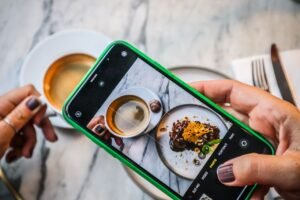
However, the rise of visual-first social media platforms—most notably Instagram, TikTok, and Pinterest—has introduced a third, equally dominant pillar to the dining industry: visual aesthetics. Today, a dish’s ability to perform on a smartphone screen often dictates its commercial success before a single bite is ever taken. The “Instagram Effect” has transformed restaurants from simple places of consumption into immersive stage sets engineered for digital sharing.
Designing for the Camera: Architecture and Interiors
The shift toward visual culture has fundamentally altered how architects and interior designers approach hospitality spaces. The goal is no longer just comfortable seating or warm lighting; it is the creation of “shareable moments” throughout the dining environment:
-
Lighting for Photography: Warm, low candle-lighting—once the gold standard for romantic dining—has frequently been replaced or augmented by bright, color-balanced lighting optimized for smartphone cameras.
-
Feature Walls and Neon Signage: Restaurants routinely install custom neon quotes, lush botanical wallpaper, or floral backdrops specifically designed to serve as backgrounds for guest selfies and food shots.
-
Tactile and High-Contrast Surfaces: Marble tabletops, custom ceramics, terrazzo floors, and patterned tiles are intentionally selected to provide eye-catching contrast for top-down “flat lay” photography.
Plating for the Feed: Interactive and Dramatic Culinary Trends
The visual demands of digital platforms have reshaped menu development. Chefs are increasingly challenged to craft dishes that offer immediate visual impact or dynamic kinetic appeal when captured on short-form video:
| Visual Trend | Culinary Mechanism | Digital & Business Impact |
| Kinetic / Interactive Plating | Table-side sauce pours, melting chocolate spheres, flaming spirits, or pulling long cheese strings. | Drives high engagement on video platforms (Reels/TikTok) by offering movement and anticipation. |
| Exaggerated Proportions | Giant stuffed cookies, towering burgers, or oversized ramen bowls. | Creates immediate novelty, encouraging viewers to visit specifically for the “challenge” or photo-op. |
| Vibrant Color Palettes | Incorporating natural and synthetic pigments like ube (purple yam), matcha, dragon fruit, or butterfly pea flower. | Stands out instantly against muted social feeds, signaling freshness or exotic flavors. |
| Artisanal & Textural Contrast | Uniquely shaped pottery, coarse sea salt flakes, micro-greens, and edible gold leaf garnishes. | Conveys high production value and luxury in static, high-resolution close-up photographs. |
The Economic Double-Edged Sword
While visual media provides unprecedented marketing reach, it introduces new structural challenges for restaurant operators:
-
Democratic Marketing vs. Influencer Fatigue: Social media allows small, independent eateries to build global audiences without traditional PR budgets. However, managing influencer requests and maintaining authenticity amid sponsored content can strain staff.
-
Style Over Substance Risk: Restaurants that prioritize visual spectacle over culinary execution often suffer from poor repeat business. A dish may go viral once for its look, but long-term survival requires genuine flavor and hospitality.
-
Operational Drag: Guests spending extra time staging photos and filming videos can slow down table turnover times, impacting restaurant throughput during peak dining hours.
A Permanently Evolved Dining Landscape
The Instagram Effect has permanently blurred the line between culinary art, interior design, and digital entertainment. While some traditionalists mourn the loss of quiet, unphotographed meals, the visual media age has democratized food culture—encouraging diners to appreciate the aesthetics of gastronomy and prompting chefs to bring creativity, color, and drama to every plate.