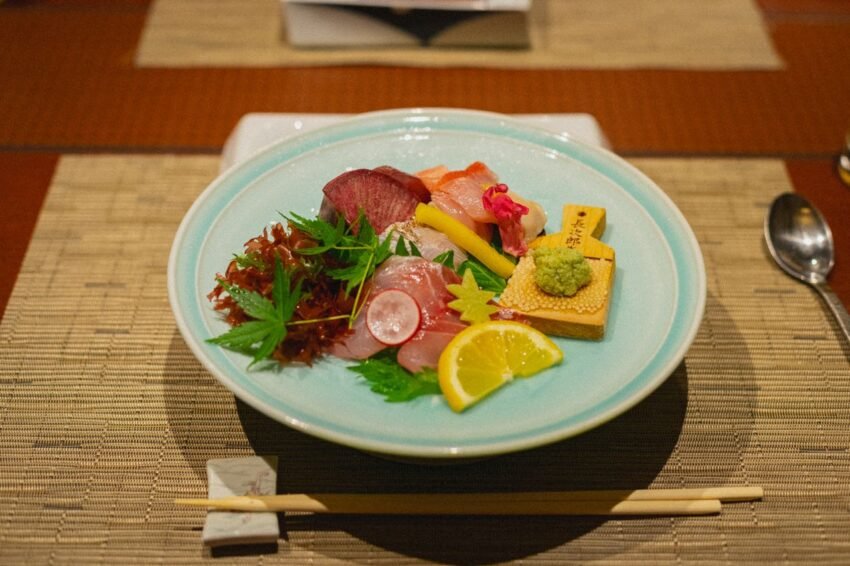
In 2013, UNESCO inscribed Washoku, the traditional dietary cultures of Japan, onto its Representative List of the Intangible Cultural Heritage of Humanity. This recognition was not awarded for a single high-end dish or technique, but for an entire social practice and culinary philosophy.
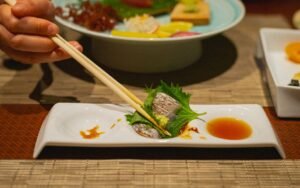
At its core, Washoku is a harmonious approach to food rooted in deep respect for nature, seasonal mindfulness, and balanced nutrition—a tradition honed over centuries to nurture both body and spirit.
The Four Pillars of Washoku
Washoku is guided by fundamental principles that dictate how food is harvested, cooked, and presented:
-
Respect for Natural Flavors: Traditional Japanese cooking emphasizes bringing out the natural taste of raw ingredients rather than masking them with heavy sauces or spices. Dashi broth—made from kombu kelp and katsuobushi (bonito flakes)—provides a clean, umami-rich foundation for almost every dish.
-
Seasonal Expression (Shun): The concept of shun (旬) celebrates ingredients at the peak of their seasonal freshness. Menus change dynamically throughout the year, using seasonal garnishes—such as cherry blossom petals in spring or maple leaves in autumn—to mirror the natural world on the plate.
-
Nutritional Balance (Ichiju-Sansai): The structural blueprint of a daily Washoku meal is Ichiju-Sansai (“one soup, three dishes” plus rice and pickles). This balance offers ideal proportions of carbohydrates, proteins, and minerals with minimal animal fat, contributing directly to Japanese longevity.
-
Cultural Connection to New Year Ceremonies: Washoku plays an indispensable role in strengthening community and family ties, particularly during seasonal celebrations like Lunar New Year, where symbolic Osechi-ryori dishes are shared to welcome good health and fortune.
The Anatomy of Ichiju-Sansai (One Soup, Three Dishes)
A traditional Washoku meal layout is deliberately arranged to create visual harmony and balanced nutrition:
| Component | Traditional Content | Philosophical / Functional Purpose |
| Gohan (Rice) | Steamed short-grain white or brown rice | The sacred core of the meal; provides clean energy and neutral grounding. |
| Shirumono (Soup) | Miso soup or clear suimono broth | Hydrates, aids digestion, and introduces the umami base. |
| Main Dish (Shusai) | Grilled fish, tofu, or lean meat | Primary protein source cooked simply to highlight fresh flavor. |
| Side Dishes (Fukusai) | Simmered vegetables, seaweed, or egg | Provides essential vitamins, fiber, and seasonal color contrast. |
| Tsukemono (Pickles) | Salt-cured or fermented vegetables | Cleanses the palate between bites and supports gut health. |
Mindfulness at the Table: Itadakimasu and Gochisosama
The philosophy of Washoku extends beyond preparation to how food is consumed. Before eating, diners clasp their hands and say “Itadakimasu” (I humbly receive), expressing gratitude to the plants, animals, farmers, and cooks that made the meal possible. After finishing, they say “Gochisosama-deshita” (It was a feast), honoring the effort expended to prepare the food.
Through its reverence for nature, balance, and quiet mindfulness, Washoku remains a powerful living testament to how cuisine can nourish human life while maintaining harmony with the earth.