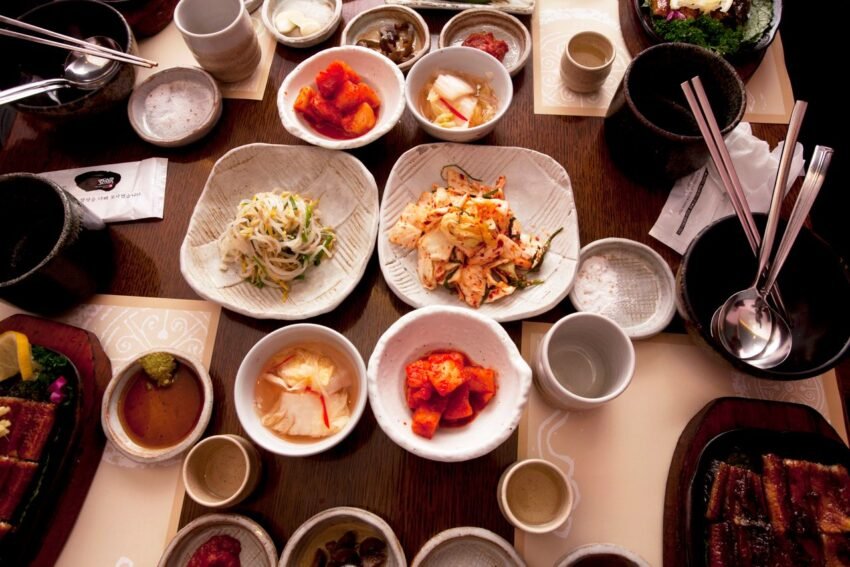
For centuries, Western culinary science recognized only four primary taste modalities: sweet, sour, salty, and bitter. However, chefs and home cooks across the globe long intuited the existence of a distinct, savory depth that couldn’t be explained by these basic building blocks alone—a mouth-watering richness present in aged cheeses, slow-simmered broths, fermented sauces, and sun-ripened tomatoes.
Coined in the early 20th century, umami (often translated from Japanese as “savory deliciousness” or “essence of deliciousness”) represents the official fifth taste. Today, neurobiology, biochemistry, and global gastronomy recognize umami as a fundamental biological signal that shapes human eating behavior and culinary traditions worldwide.
The Molecular Science of Savoriness
At the biochemical level, umami is triggered when specific amino acids and nucleotides bind to specialized G-protein coupled receptors (T1R1 + T1R3) located on human tongue taste buds:
-
L-Glutamate: An amino acid found abundantly in plant and animal proteins. When proteins break down through cooking, aging, or fermentation, free glutamate is released, directly activating umami receptors.
-
Nucleotides (IMP & GMP): Inosine monophosphate (found in meats and fish) and Guanosine monophosphate (found in dried mushrooms) act as powerful synergistic amplifiers.
-
The Receptor Synergy Effect: When free glutamate combines with IMP or GMP, the molecules bind simultaneously to taste receptors, causing a conformational change that amplifies the perception of flavor intensity up to eight-fold.
Global Expressions of Umami Ingredients
While the word umami originated in Japan, cultures across the world have independently perfected techniques—such as aging, curing, drying, and fermenting—to maximize free glutamate and nucleotide concentrations:
| Umami Vehicle | Primary Mechanism | Key Chemical Compounds | Culinary Context |
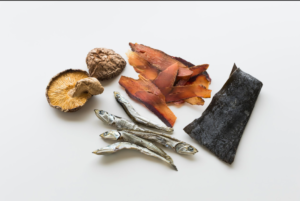
| Kombu & Katsuobushi (Japan) | Dehydration and fungal fermentation. | Free Glutamate + Inosine Monophosphate (IMP). | Form the core foundation of dashi stock for soups, glazes, and sauces. |
| Parmigiano-Reggiano (Italy) | Long-term milk protein proteolysis (aging 12–36 months). | Concentrated Free Glutamate (visible as crunchy tyrosine crystals). | Grated over pasta, risotto, and soups to elevate overall savory depth. |
| Fish Sauce / Garum (SE Asia & Ancient Rome) | Enzymatic bacterial fermentation of whole salted fish. | Glutamate + Nucleotides + Volatile Fatty Acids. | Used as a foundational liquid seasoning in Thai (nam pla), Vietnamese (nước mắm), and ancient Roman cookery. |
| Dried Shiitake Mushrooms (East Asia) | Dehydration concentrating fungal cellular walls. | Guanosine Monophosphate (GMP). | Rehydrated to produce deeply aromatic stocks, braises, and vegetarian broths. |
Evolutionary Purpose and Modern Application
Biologically, our sense of taste evolved as an internal screening mechanism for survival:
-
Sweetness signals energetic carbohydrates.
-
Saltiness indicates vital mineral electrolytes.
-
Sourness and Bitterness warn against spoilage and toxic alkaloids.
-
Umami serves as the body’s detector for dietary protein and essential amino acids, triggering digestive salivary flows and metabolic preparations for protein digestion.
In contemporary cooking, understanding umami allows chefs to reduce dietary sodium without sacrificing palatability. Because umami compounds enhance mouthfeel, lingering aftertaste, and perceived saltiness, incorporating glutamate-rich ingredients enables balanced, satisfying meals with lower overall salt content.
The Universal Language of Flavor
From ancient Roman garum to modern haute cuisine and everyday home cooking, umami bridges cultural divides through a shared human biology. By harnessing the molecular synergy between amino acids and nucleotides, global culinary traditions continue to craft meals that deeply satisfy our innate evolutionary appetite for savoriness.