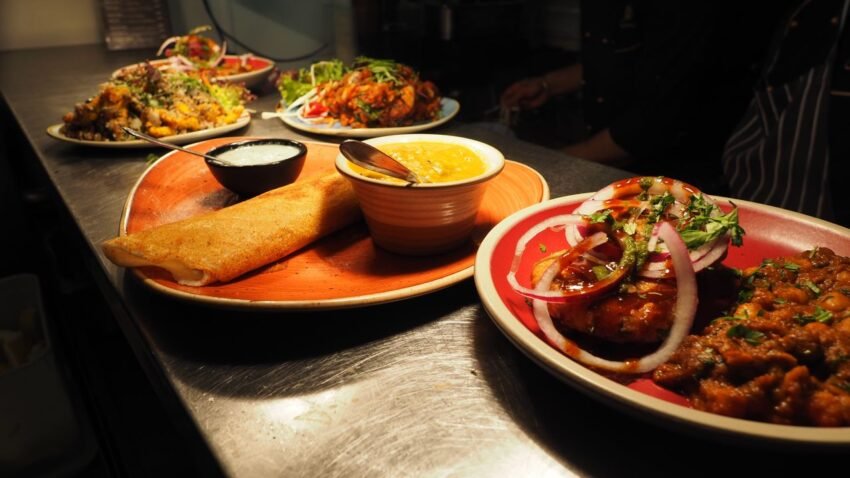
For thousands of years, the Malabar Coast of South India was the beating heart of global commerce—a glittering trade hub known to ancient Egyptians, Romans, Arabs, Chinese, and Europeans as the “Spice Coast.” Driven by an insatiable global demand for black pepper (then valued higher than gold as “black gold”), cardamom, cinnamon, and ginger, maritime traders flocked to southern Indian ports, bringing with them foreign ingredients, cooking techniques, religious customs, and cultural influences.
Today, South Indian food is far more than a vibrant collection of regional flavors; it is an edible archive of global trade, human migration, and imperial ambition.
The Monsoon Engine: How Geography Shaped History
South India’s strategic geographic position in the Indian Ocean allowed it to harness the seasonal monsoon winds. Between May and September, winds reliably blew merchant ships east toward Kerala and Tamil Nadu; by winter, the currents reversed, carrying spices west to Africa and the Middle East.
This natural trade pipeline turned coastal kingdoms—such as the Cheras, Cholas, and Pandyas—into global economic powerhouses. As foreign merchants settled in trading ports like Calicut, Muziris, and Nagapattinam, they didn’t just buy spices—they left lasting culinary marks on the regional palate.
Foreign Footprints on the South Indian Plate
A close look at classic South Indian dishes reveals how different global cultures contributed key elements to the regional menu:
| Foreign Influence | Culinary Legacy / Dishes | Historical Context |
| Portuguese | Red chilies, potatoes, tomatoes, cashew nuts, Vindaloo | Before the 16th century, South India relied entirely on native black pepper for heat. Portuguese traders introduced capsicum peppers from the Americas. |
| Arab & Middle Eastern | Thalassery Biryani, Pathiri (rice bread), Haleem | Arab traders introduced fragrantly spiced meat-and-rice dishes, blending Middle Eastern pilaf styles with local short-grain Kaima rice. |
| Chinese | Woks (Kadai), steamed cooking methods (Idli origins) | Chinese traders under Zheng He brought cast-iron cooking vessels and early steam-processing techniques to the southern coast. |
| French | Pondicherry Creole Cuisine (Poisson Yassa, Baguettes) | French colonial rule in Pondicherry created a unique fusion of French baking and Tamil seafood spices. |
Preserving the Ancient Base: The Native Flavor Profile
While foreign trade added new layers, South India retained its ancient culinary core. Long before chilies and tomatoes arrived, the foundational building blocks of southern Indian cooking were firmly established:
-
Coconut: Used in every form—grated, oil-pressed, and extracted into milk—providing rich fat and sweetness.
-
Tamarind and Kokum: Sourcing sourness from native fruit pods rather than vinegar or lemons.
-
Curry Leaves and Mustard Seeds: Tempered in hot oil (tadka) to release aromatic essential oils.
-
Fermented Rice & Lentil Batters: Transforming local grains into digestible, gut-friendly staples like Dosa, Idli, and Appam.
A Living History Lesson
Every meal served on a South Indian banana leaf tells a story of global connection. From the Portuguese chili pepper in a fiery Chettinad curry to the Arab-inspired biryanis of the Malabar Coast, South Indian cuisine stands as a delicious reminder that history is not just found in textbooks—it is tasted at the dinner table.