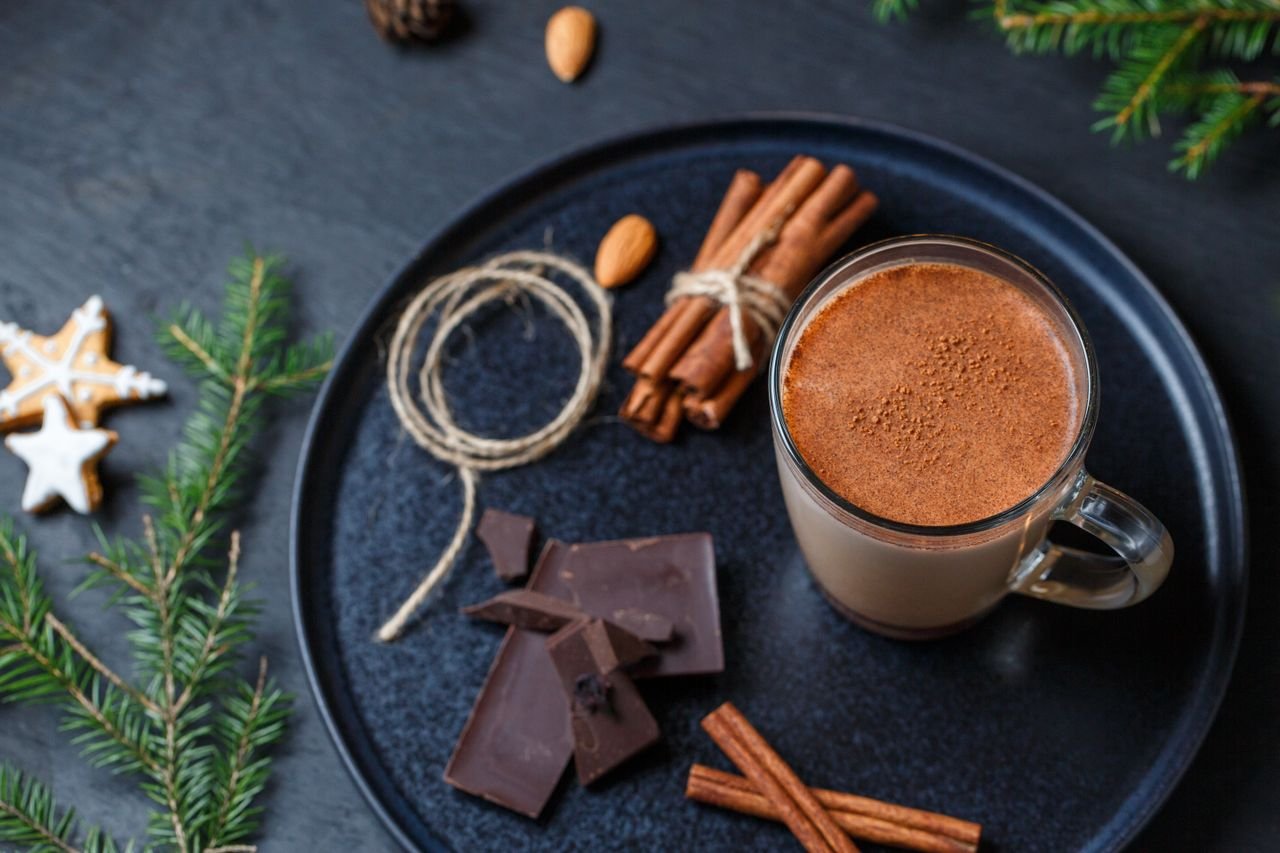
For thousands of years, chocolate was not a sweet, foil-wrapped confection eaten for pleasure. It was a bitter, spiced, and highly revered sacred drink—consumed by emperors, priests, and warriors in the Mesoamerican rainforests.
The story of chocolate is a journey of transformation: from an ancient sacred elixir and currency to a global mass-produced sweet.
Mesoamerican Beginnings: The Divine Xocolātl
The story of cacao begins over 3,000 years ago with the Olmec civilization in modern-day Mexico, who first domesticated the Theobroma cacao tree—a name that literally translates to “food of the gods.”
By 250 CE, the Maya had elevated cacao into a central pillar of spiritual, social, and economic life.
-
The Sacred Brew: The Maya crushed cacao beans into a paste, mixing it with water, chili peppers, cornmeal, and native spices like vanilla and achiote. They poured the liquid back and forth between tall earthenware jars at arm’s length until a thick, velvety foam formed at the top.
-
Liquid Currency: Cacao beans were so valuable that the Aztecs later used them as legal tender. You could buy a rabbit for 10 cacao beans or a slave for 100.
-
Ritual & Power: The Aztec ruler Montezuma II famously drank dozens of golden goblets of frothy xocolātl daily, believing it granted vitality, wisdom, and stamina for battle.
Crossing the Atlantic: Royalty and Adaptation
When Spanish conquistadors brought cacao back to Europe in the 16th century, the bitter Mesoamerican drink underwent a major transformation. European palates found raw xocolātl too bitter and strange.
To make it palatable, Spanish court cooks removed the chili peppers and added cane sugar, cinnamon, and cream, serving the drink steaming hot instead of cold.
Hot chocolate quickly became an exclusive status symbol across European royal courts. In France, King Louis XIV’s wife, Marie-Thérèse, made chocolate drinking the height of courtly fashion, leading to specialized “chocolate houses” across London and Paris in the 17th and 18th centuries.
The Industrial Revolution: Turning Luxury into a Global Treat
Until the early 19th century, chocolate remained a liquid luxury reserved for the elite. The Industrial Revolution radically democratized chocolate making through three major mechanical innovations:
| Innovation | Inventor / Origin | Impact on Chocolate |
| Cocoa Press (1828) | Coenraad van Houten (Netherlands) | Extracted cocoa butter, leaving a dry powder easily mixed with milk or water. |
| Solid Eating Bar (1847) | J.S. Fry & Sons (United Kingdom) | Mixed melted cocoa butter back with sugar to create the world’s first solid eating bar. |
| Conching Machine (1879) | Rodolphe Lindt (Switzerland) | Kneaded chocolate paste for days, creating the silky, melt-in-your-mouth texture we know today. |
The Modern Chocolate Dilemma

Today, chocolate is a multi-billion-dollar global commodity. However, as demand grew, production moved away from Mesoamerica to tropical regions in West Africa—particularly Ivory Coast and Ghana—which now supply over 60% of the world’s cocoa.
Modern craft chocolate movements are currently returning to their roots through “bean-to-bar” artisanal methods, honoring the ancient, complex flavor profiles of original cacao while pushing for fair labor practices in cocoa farming. From sacred Mayan altars to corner grocery stores, chocolate remains one of humanity’s most enduring culinary treasures.